
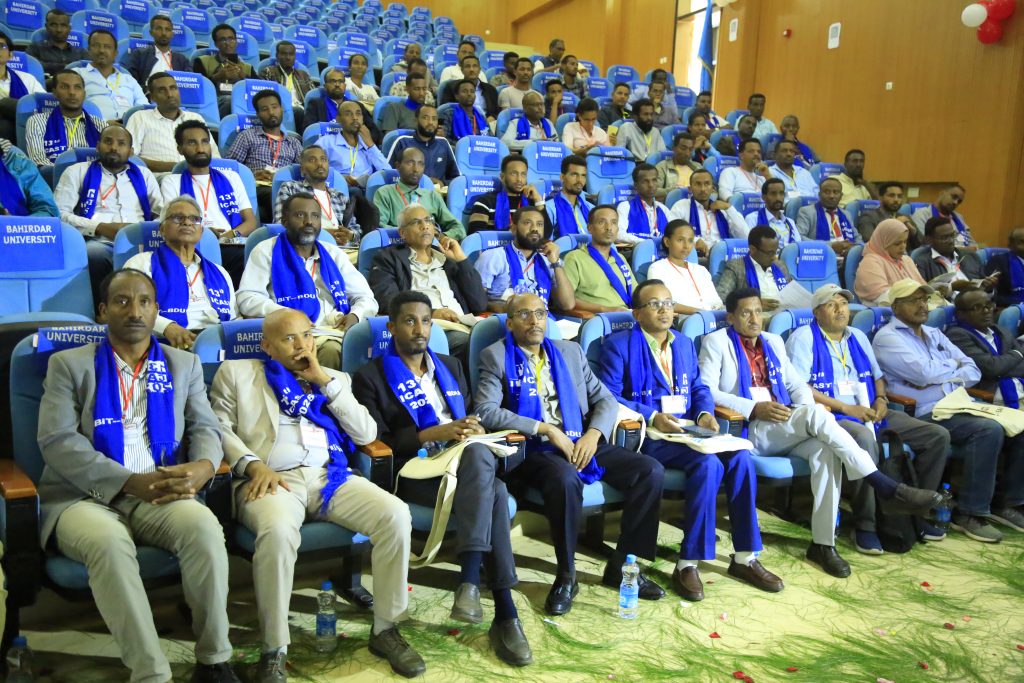
Dr. Muluken Temesgen, General Co-Chair of EAI ICAST 2025, shares his insights on why the conference is attracting more submissions than ever. From fostering young researchers’ growth to boosting the global visibility of Ethiopian institutions, he reflects on the challenges and rewards of hosting an international scientific event in a developing country.
This year’s conference has already surpassed expectations in terms of submissions. What do you think motivated such strong interest from researchers?
The strong interest and higher number of full paper submissions to EAI ICAST 2025 can be attributed to several key factors.
Foremost, the consistent and enhanced communication efforts by the organizing committee, coupled with the technical support from the EAI team, have significantly improved the visibility, accessibility, and credibility of the conference. The growing academic impact of the event is another major driver, as the proceedings are published in three different Scopus-indexed book series of Springer (note: Depending on the scope of papers, they are either published in EAISICC or Green Energy and Technology. All registered papers published by Springer via SpringerLink Digital Library: ICAST proceedings as book chapters, with noticeable improvements in the speed and reliability of the publication process, making it highly attractive to researchers.
Different from many international conferences with relatively high registration costs, EAI ICAST offers globally competitive scientific quality conferences at an affordable rate, making it especially appealing to researchers from Africa and other resource-constrained regions. As one of the few reputable international scientific conferences accessible to local and regional researchers, it has emerged as a preferred platform not only for presenting scholarly work but also for achieving indexed publication as an essential requirement for many academic careers.
Read more:

How to Choose the Right Conference for Your Research Goals
The conference’s interactive nature and its reputation as a hub for academic exchange, networking, and potential research collaboration have particularly drawn interest from young researchers and postgraduate students. Together, these factors have elevated the visibility and prestige of EAI ICAST, resulting in a significant increase in high-quality submissions and broader international participation from year to year.
How do you see the increased participation will shape the future of ICAST conferences?
The increase in both total and international submissions highlights ICAST’s growing relevance as a global hub for researchers, policymakers, and industry leaders to explore emerging trends in science and technology. This momentum positions ICAST to become a leading platform for innovation, fostering high-quality research, cross-border collaboration, and context-driven solutions to local challenges, particularly in the Global South. Greater participation will help bridge the research gap between developed and developing countries, encouraging more inclusive, impactful, and problem-solving research. Looking ahead, the conference could evolve into multiple specialized events, co-hosted by different partners, creating broader opportunities for young researchers, technologists, and industries to engage and contribute meaningfully.
Organizing an international conference is never easy. What have been the biggest challenges for the organizing committee, and how did you overcome it?
Organizing an international conference is never easy, especially in a developing country with limited resources, logistical challenges, and funding constraints. One of our major hurdles has been securing quality submissions while managing the rigorous review of over 260 full papers, each evaluated by three reviewers. The lack of experience in hosting international conferences of this scale, coupled with limited financial support both from participants, many of whom are from developing countries, and from local industries has made funding a critical challenge. Key expenses, including hosting keynote speakers and covering printing and logistical costs, have largely burdened Bahir Dar Institute of Technology, placing additional strain on our institution.
Despite these obstacles, our organizing committee has consistently risen to the occasion, supported by the technical expertise of the EAI team. Over the past 13 years, we’ve built a strong foundation for research exchange in resource-limited settings and continue striving to establish Bahir Dar Institute of Technology as a hub for scientific discourse in Africa. Set against the backdrop of Lake Tana and Bahir Dar City with their rich ecological, cultural, and academic offerings, the conference will also continue promoting the area as a vibrant destination for learning, research, and conference tourism.
Read more:

Read an interview with Dr. Goleva about her motivation behind starting the EAI CSECS conference 20 years ago & more
Why do you think it is important for international conferences like ICAST to be hosted in developing countries?
Hosting annual international scientific conferences in low-resourced developing countries offers transformative benefits for institutions, researchers, and society at large. These conferences enhance the global visibility of local academic institutions often underrepresented on the international stage positioning them as credible contributors to global scientific discourse. They foster knowledge exchange between international experts and local researchers, enabling the development of context-specific innovations that address pressing regional challenges. For students and early-career researchers, such events provide invaluable exposure, real-time feedback, and networking opportunities that build confidence, improve communication skills, and inspire deeper engagement in research.
Read more:

How EAI Supports Diversity, Equity, Inclusivity, and Accessibility in Research
Moreover, these conferences serve as vital platforms for fostering collaboration between academia, policy makers, and industry, creating a shared space for identifying practical solutions and initiating joint projects. The organizational process itself builds institutional capacity in areas such as event planning, peer review, and international communication. Hosting international conferences also stimulate local economies through conference tourism and promotes regional identity by showcasing the host country’s culture, academic environment, and innovation potential. Importantly, by including side events that engage policymakers, these conferences contribute to more informed, research-based policy development grounded in local realities rather than external models, ultimately advancing both scientific progress and national development agendas.
Do you have any recommendations for fellow organizers and committee members who are organizing academic conferences in developing countries?
Hosting an annual international scientific conference is a complex and resource-intensive endeavor, especially in developing countries. It requires detailed planning, strict timelines, effective communication, and coordination among multiple stakeholders including authors, reviewers, keynote speakers, funders, logistics teams, and communication experts. Challenges are amplified in developing countries by limited funding, lack of experience, venue constraints, and sociopolitical uncertainties, all of which can impact scheduling and execution. Importantly, organizing a conference is not a one-time event but a continuous process that requires preparing for future series while working on existing events. Moreover, the visibility of conferences in low resourced countries takes more time as trust will not be built easily. Hence building trust requires more time, consistent effort, and proactive promotion to expand its reach and attract quality submissions.
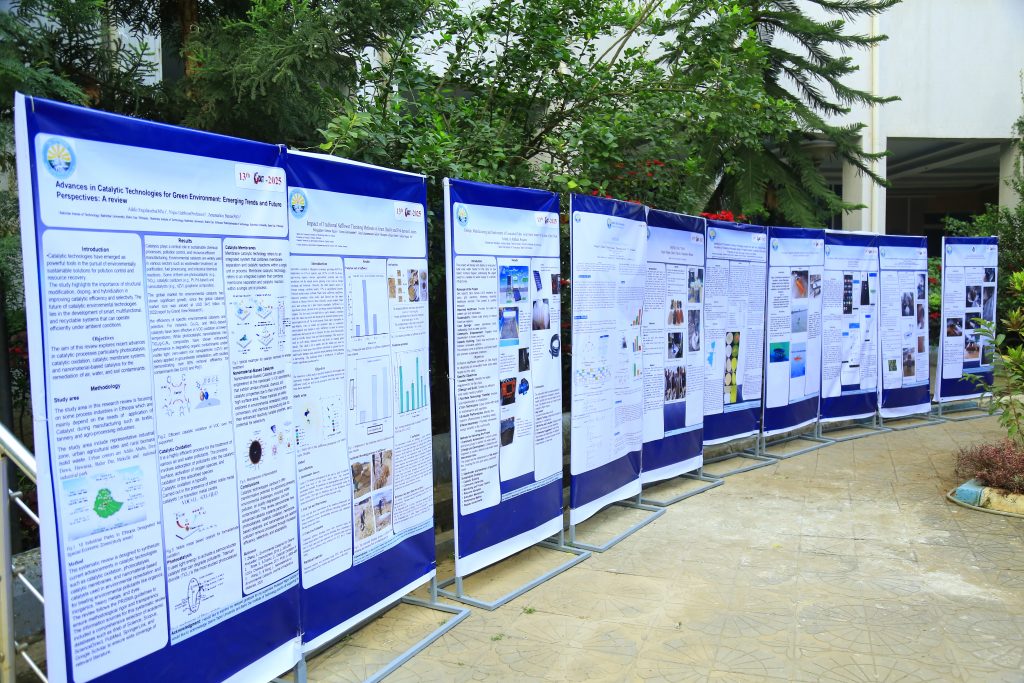
Despite these challenges, the long-term benefits are significant. For host institutions, international conferences increase visibility, foster global partnerships, and strengthen their reputation as centers of academic excellence. Organizing committees gain valuable skills in event management, peer review coordination, and international collaboration. Early-career researchers benefit from accessible platforms to share their work, build networks, and engage with leading scholars. Moreover, the local economy and industries benefit from increased activity in tourism, services, and innovation partnerships. At the national level, such conferences enhance scientific credibility, support policy engagement, and promote cultural and academic identity on the global stage.
Hence, organizing an annual international scientific conference is a powerful way to promote the visibility, credibility, and impact of an academic or research institution especially in developing countries. Based on our own experience over the past years, we strongly encourage fellow organizers and committee members to continue investing in such initiatives by building a clear vision and long-term commitment. As members of academic and research institutions, one of our core responsibilities is the dissemination of knowledge, and conferences offer an effective platform for that purpose. However, successfully hosting a recurring international conference requires thorough planning, clear goal setting, and resilience in the face of common challenges such as limited funding, logistical constraints, and institutional capacity. To ensure sustainability, organizers should prioritize building strong local and international partnerships, aligning conference themes with global agendas such as the Sustainable Development Goals (SDGs), and leveraging digital tools to reduce costs and increase accessibility.
Read more:

Planning a Conference? Achieve more with Full Sponsorship
It is also essential to diversify funding sources early on, actively engage local industries and institutions, and design the conference to deliver lasting academic and community impact. Most importantly, the host institution must fully commit to making the conference part of its strategic priorities, recognizing it as a vital instrument for academic growth, policy influence, and global engagement.
What has personally inspired you in working with the committee and community this year?
Being part of the organizing team for an international scientific conference (EAI ICAST) at Bahir Dar institute of Technology, with limited prior experience in hosting such events has been an incredibly inspiring journey for the last consecutive years. One of the most rewarding aspects has been witnessing a growing number of young and early-career researchers gain access to present and publish their work, mostly for the first time. This opportunity has motivated many to continue their academic journey and pursue further research and publish. New organizing team members have also gained valuable skills and confidence in leading international events, tracks, contributing to their professional development.
The increasing interest from institutions and researchers across Ethiopia and beyond has been another strong source of motivation. It’s particularly encouraging to see returning authors and institutions eagerly asking about the next call for papers, as well as testimonials from graduate students who cite their participation in the EAI ICAST, as a turning point in their academic careers. For many students from low-resourced regions, presenting at this conference has become a key milestone toward graduation and academic growth.
Today, with growing recognition from national bodies such as the Ministry of Education and universities, the EAI ICAST international conference has become a leading benchmark event for national institutions. Moreover, as the scope and visibility of the conference enhanced, we are now receiving considerable submissions from all over the world and have even been approached by other institutions interested in co-hosting future editions of EAI ICAST. The expanding scope, reach, and impact of the conference reaffirm the importance of continuing this work and investing in its long-term success. This progress has deeply inspired us, as a member of the organizing team, to remain committed and contribute even more actively to the continued growth of the conference.
Read more:

Why You Should Attend an Academic Conference (Even Without Presenting)
Finally, what message would you like to share with the participants and community of EAI ICAST?
The EAI ICAST (International Conference on Advancements of Science and Technology) is an annual scientific conference hosted by Bahir Dar Institute of Technology, Bahir Dar University, in collaboration with the European Alliance for Innovation (EAI). It aims to advance science, technology, and innovation in developing regions, providing a peer-reviewed, internationally recognized platform for researchers, professionals, and students to present and publish their work in science, engineering, and technology. The conference has a significant and growing impact, particularly in developing countries and emerging research ecosystems.
EAI ICAST serves as a bridge between global scientific communities and researchers in developing regions, contributing to local innovation ecosystems, advancing SDG-related research, and increasing global visibility for emerging scholars. By hosting the conference in regions with limited access to global scientific events, such as Ethiopia, it nurtures local research capacity, fosters collaboration, and strengthens academic institutions.
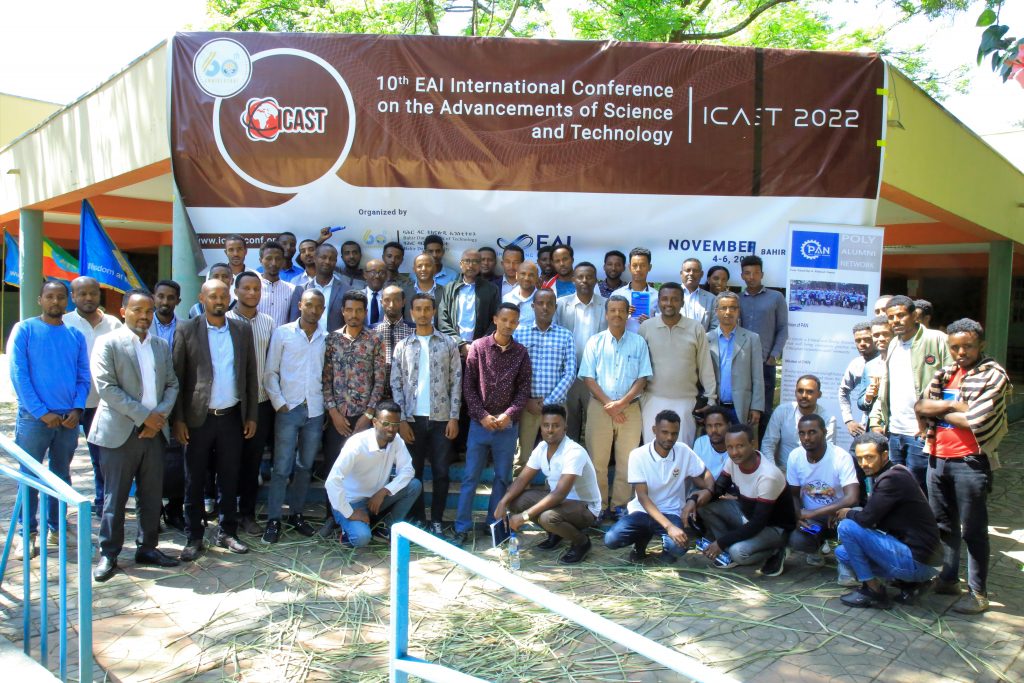
Conference proceedings are published as book chapters in three Springer book series, indexed in Scopus, Google Scholar, and other databases, boosting visibility and citation potential for authors. We strongly encourage researchers, especially from low- and middle-income countries, to participate in these annual events, which offer a platform to share customized, innovative solutions relevant to regions like Africa. Additionally, we urge institutes and funders to support such conferences, as they play a vital role in strengthening local research capacity and fostering innovation ecosystems.
Read more:

How to Build a Meaningful Academic Network
Supporting conferences like EAI ICAST promotes knowledge exchange, connects local researchers with international experts, and fosters context-relevant solutions to pressing challenges. Sponsorship aligns research efforts with the SDGs advancing clean energy, technological intervention for sustainable agricultural transformation, and digital inclusion and creates opportunities for youth, startups, and academic institutions to engage in global scientific dialogue. Ultimately, such support accelerates inclusive development and bridges the global research gap.

Muluken Temesgen Tigabu (PhD)
General Co-Chair & Program Chair of EAI ICAST 2025
Muluken Temesgen Tigabu is an Assistant Professor at Bahir Dar institute of Technology, Bahir Dar, Ethiopia. His research focuses on renewable energy systems, including hydrokinetic and wind turbines, solar energy applications, and computational and experimental studies of fluid–structure interactions for sustainable energy technologies.